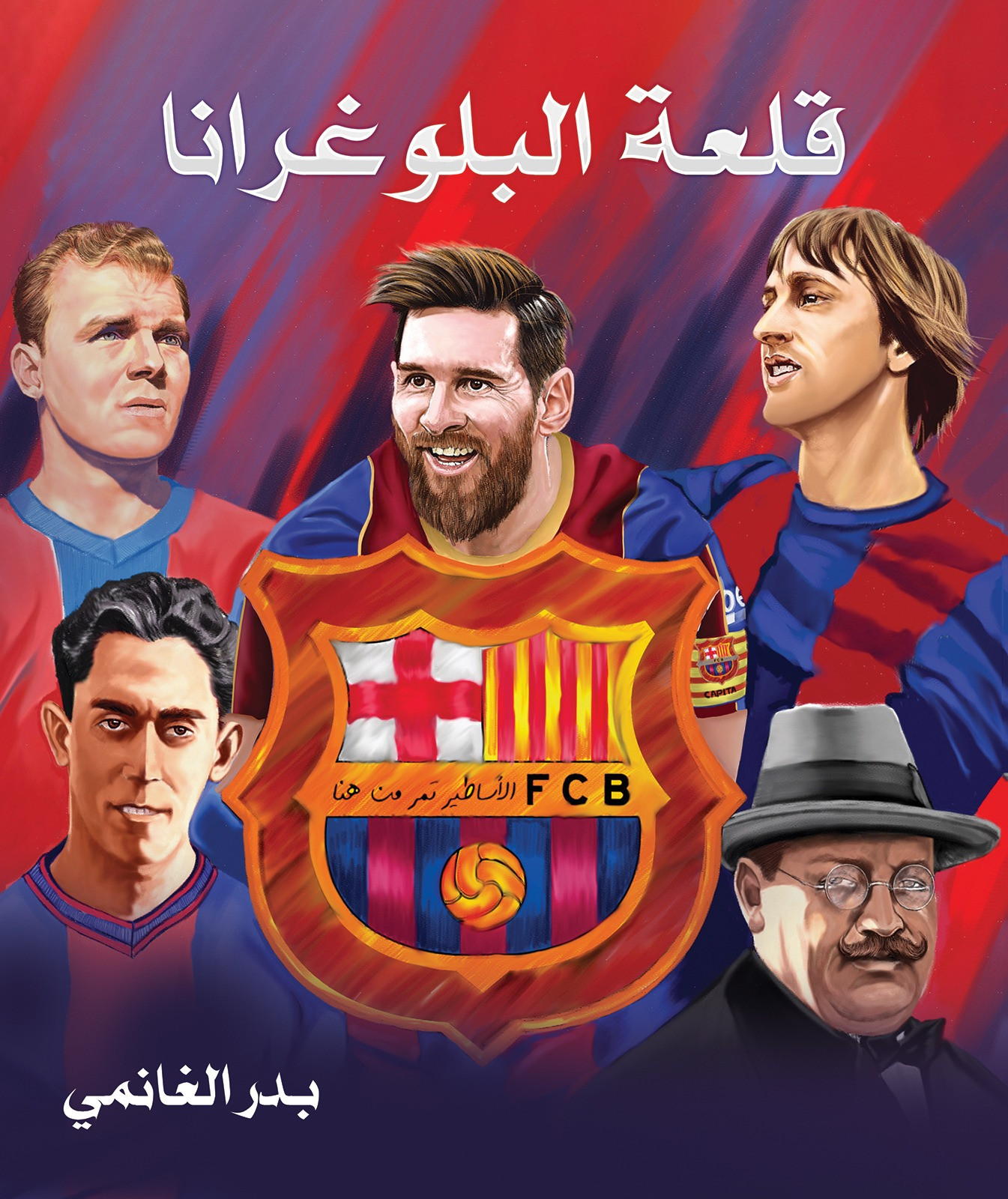
No club in the world inspires me to write about soccer quite like Spain’s FC Barcelona—with its history; language; approach; values; principles; philosophy; identity; policies; and resistance to injustice, murder, exile, persecution, and terrorism—which makes the mere fact that it has survived to this day for more than a century a legend passed down through generations.The club has endured, throughout its history, the imposition of politics on sports—from the exile of its founder, Joan Gamper, to the extrajudicial killing of its president, Josep Sunyol; to the bombing of its headquarters with napalm, the imprisonment of its players, the suspension of its activities, the change of its name and structure, the replacement of its crest, the appointment of presidents loyal to Franco’s government, the infiltration of spies, and the sale of its assets at public auction—and is no ordinary club, and its very existence holds greater significance than that of any Catalan political party.FC Barcelona faced the tyranny of fascist forces with rare courage and a boldness that lies at the very foundation of the Blaugrana’s spiritual fortress. It has always fulfilled its time-honored role as a bastion of freedom, shunned the language of vengeance in favor of a policy of reconciliation, and chosen the strategy of attractive defense as the best form of resistance. It has raised its members on a moral code rooted in humility, respect, responsibility, commitment, hard work, and discipline—values that have granted it the right to exist, resilience, strength, prosperity, and expansion across every corner of the world.












 Discover