
-

Wise Guides
This book isn’t about clichés or feel-good motivation. It’s a straightforward experience-driven guide that challenges conventional wisdom, exposes common pitfalls, and provides a practical roadmap for those looking to navigate employment, career growth, leadership, and strategic decision-making.
Written in a sharp, engaging, and sometimes contrarian tone, Wise Guides distils years of real-world insights into actionable lessons that readers can apply immediately. Whether you’re starting your career, making investment decisions, or looking to level up in leadership, this book helps you think strategically, avoid costly mistakes, and build a mindset for long-term success.
 50.00
50.00
-
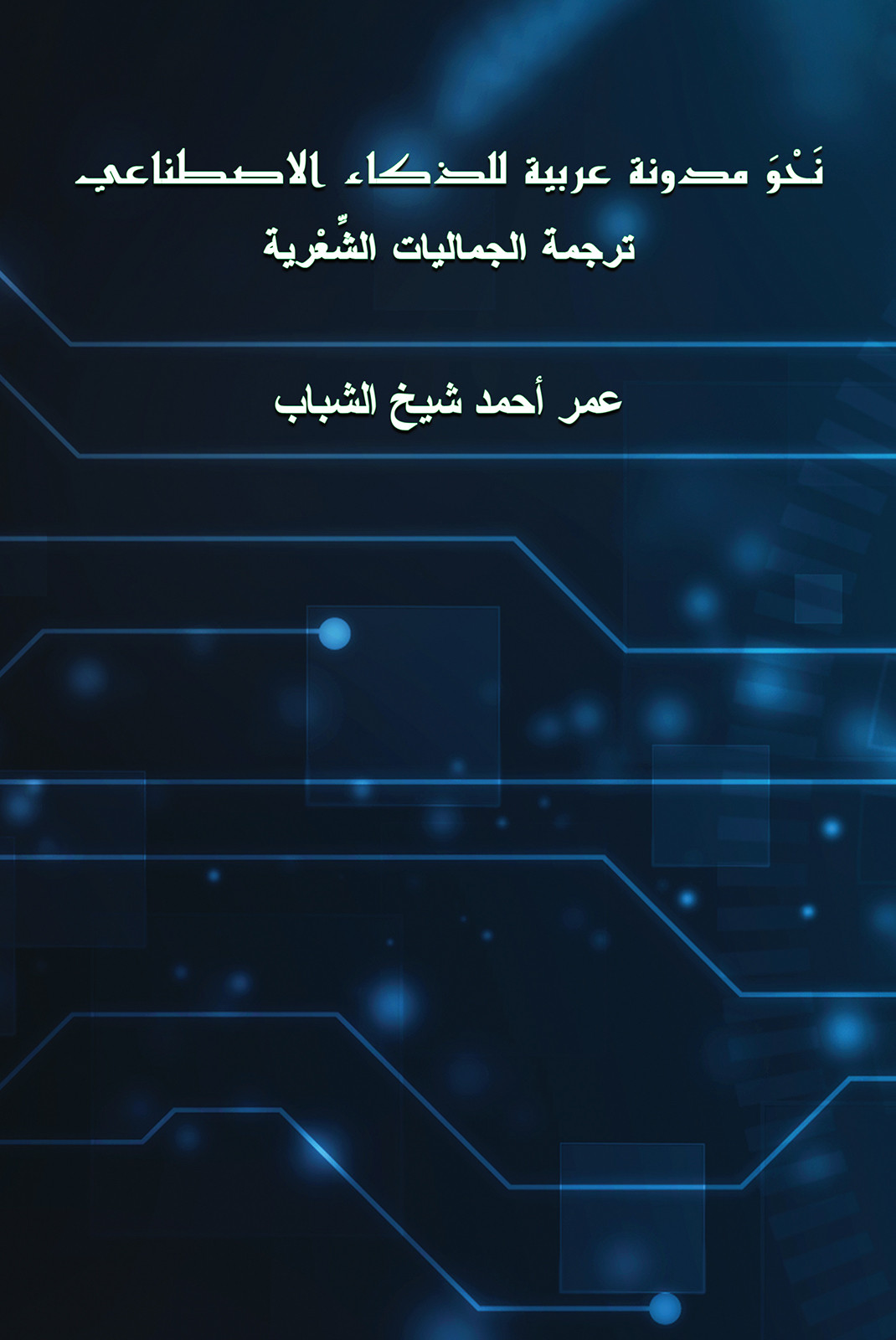
Towards An Arabic Code For Artificial Intelligence
Is there a need for a comprehensive Arabic corpus? What are its components? What are its characteristics? What is its size? What are its specifications? Does translating poetic aesthetics play a role in its development? Is there a knowledge model that underpins this project? Is it a model for all Arabic speakers? What foundations can this model be built upon? And can the diversity of terminology be addressed?
These are questions that have preoccupied specialists in philosophy, linguistics, and literature for a long time.
The book presents global experiences and proposes the design of a comprehensive Arabic corpus starting with one billion words for each of its four components, including a translation corpus between Arabic, English, and French for scientific and everyday purposes.
It is a project that integrates human awareness and interpretation into training machine learning data and introduces the Arabic language into the realm of artificial intelligence.
40.00
-

Nothing Is Impossible Under The Sun
In this book, we find many meanings and new horizons about life that draw us in, deepen our longing to explore them, and invite us to dive into them, to live their events. We all live on this earth as if we are moving across the stage of life.
Some of us are protagonists, some are supporting characters, and some, unfortunately, are mere extras: those who do not know their place in life, who imitate others, and who live for others.
There are also critics, whom we will never satisfy no matter what we do. Therefore, all we can do is choose our role thoughtfully, remain unaffected by others, and avoid justifying ourselves to them. We must also bear the consequences of our choices and their impact on us, sooner or later.
Through this book, we also encounter the many fluctuations of life’s circumstances and learn how to deal with them, adapt to them, and hold a firm belief that all of this will pass and should only make us stronger and more resilient.
A firm belief that with hardship comes ease.
A firm belief that after darkness comes light.
And that everything has a beginning and an end—just like life itself.
40.00
-
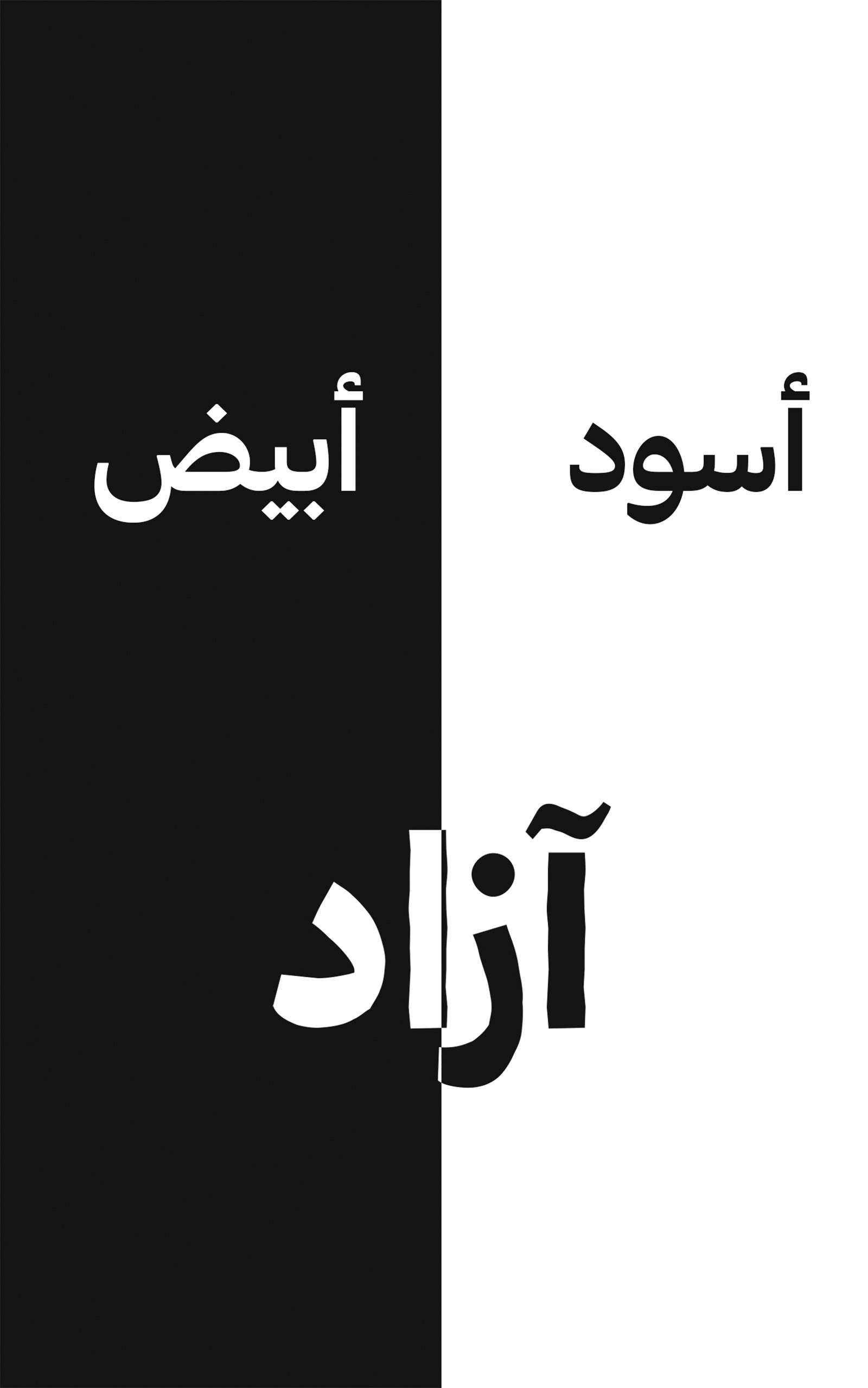
Black And White
I didn’t write to change the world, because the world changes with time. Nor do I aim to change people, for change comes from within them, from their experiences and attitudes.
I wrote because I found nothing else to do that expressed me as writing does, and I feel I have value in this life.
He who does nothing has no meaning. If I am a story, then true stories are only told when they become part of the past. If I am merely a number, then numbers are many, and they can be added, subtracted, divided, and perhaps even multiplied outside of mathematical equations.
And if I am an idea, then ideas never die, even if they only emerge after a period of time. They are accustomed to bringing about change only with the hammer of time.
40.00
-
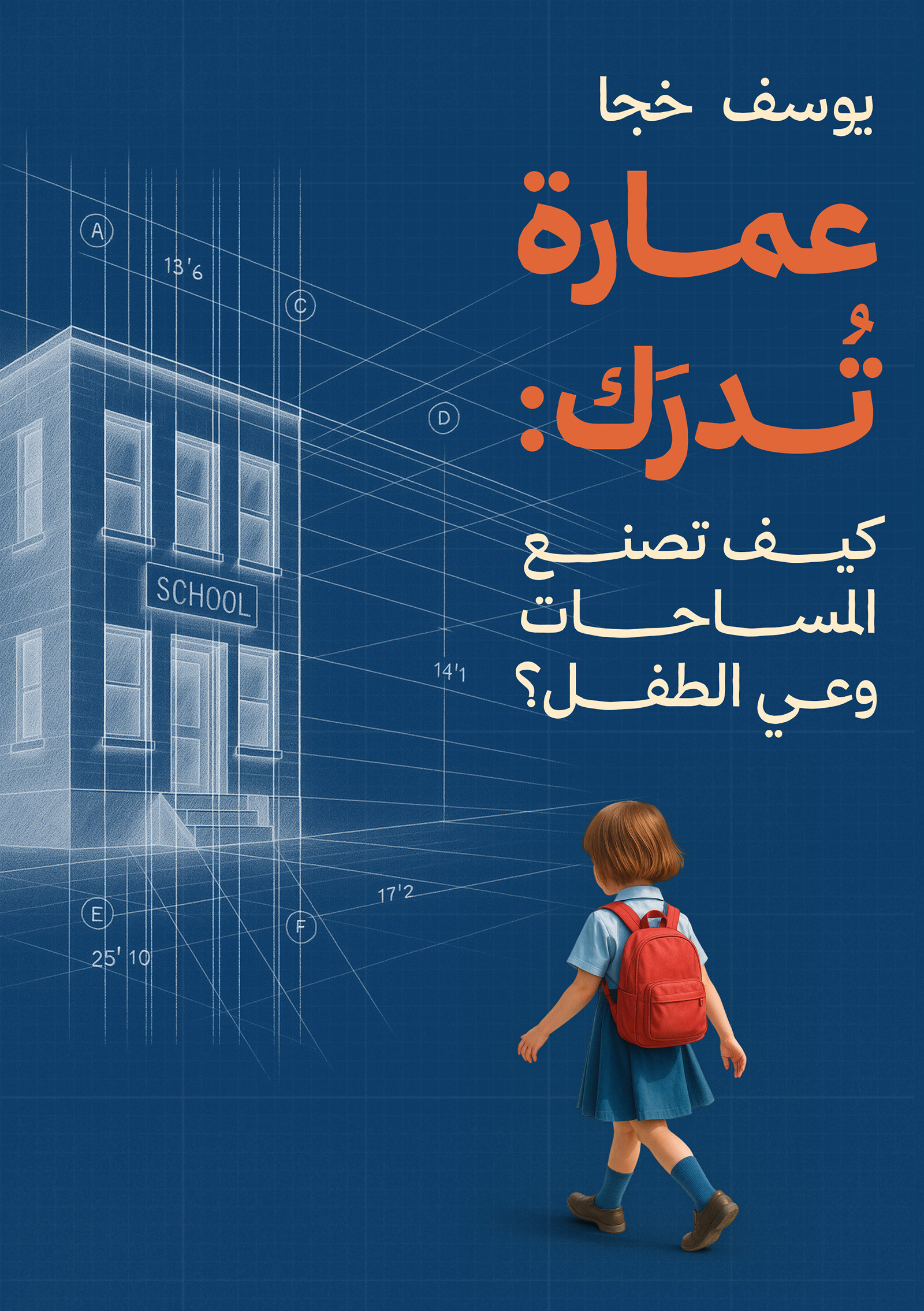
A Foundation To Be Grasped
This research aims to develop the design of current schools and establish new standards that are more suitable for the cognitive and intellectual characteristics of primary school students.
It also aims to make the school an environment that helps improve students’ academic performance and enhance their psychological well-being and behavior both inside and outside the school.
The research examines the most important concepts derived from current school designs, analyzes and highlights them, and then compares them with the cognitive and intellectual characteristics of the target age group.
The research relies on extracting the most prominent characteristics of cognitive and intellectual development through a review of previous studies, in addition to identifying the most important psychological and behavioral influences by referring to contemporary theories and standards in school design to develop new standards.
The research analyzes the plans and virtual tours provided by the Schools Development website, extracting the concepts present in current school designs and then comparing them with the characteristics of cognitive and intellectual development, as well as linking them to the resulting psychological and behavioral influences.
The most important findings of the research are:
First: The current school design does not align with the general cognitive and perceptual characteristics of all age groups, negatively impacting children’s psychological well-being.
Second: The current school design relies on a standardized approach applied to all school spaces and all age groups, without considering the differences in cognitive development and perceptual characteristics of each age group, leading to negative effects on their mental health.
60.00
-
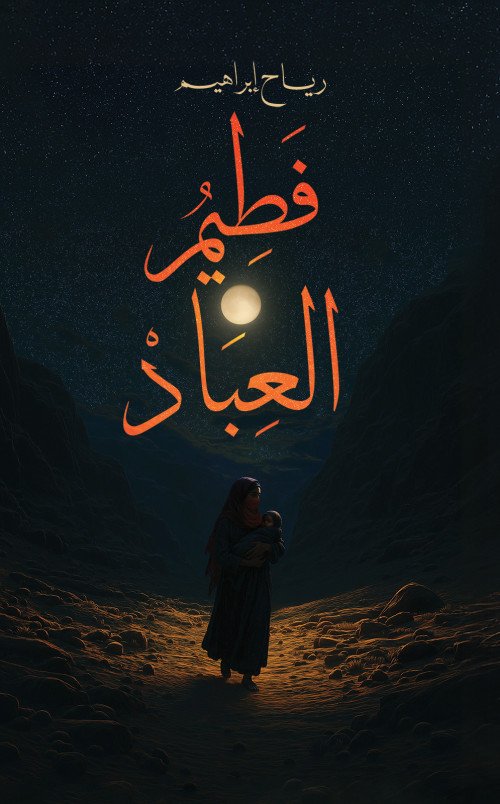
Fatim Of The People
She wrote down these stories, which her grandmother used to recount to her every night in celebration of her triumphs. Some of them may be unrealistic and unbelievable, but it’s likely that in their time, illogicality abounded, and things often transcended the bounds of reality. This was due to the sharp divergence of people’s paths and their relentless struggle to cling to life. The more experiences one had, the greater the likelihood of miracles.The fact that her story was extraordinary wasn’t the sole motivation for writing. In fact, there were stories even more wondrous than hers, stories that were well-known in her town. But her greatest motivation was her deep love for her grandmother. She loved her dearly and was accustomed to expressing her feelings through writing. Yet, even after writing down a portion of her life’s stories, she didn’t feel she had fully expressed what was inside her. Her grandmother had a profound and unique impact on her. It was a salvation and a victory for her amidst the battles she had so often lost, because she simply said to her, as a compliment, “If God had blessed me with no other offspring than you, out of my more than one hundred children, it would have been enough!”And that compliment was the greatest victory in life.
30.00
-

A Sea Of Silence
When the father falls ill and the home turns into a dark, unsettling forest, Shawq begins her journey in search of the truth hidden among papers tucked away in the bag of a mysterious mother and an untrustworthy guardian. But is the truth a path to salvation or something else that will destroy what little remains?
This is a conversation I left in my mind when I found no one to listen. And I expect, dear reader, that you will find many answers here.
Don’t hesitate; continue reading.
40.00
-
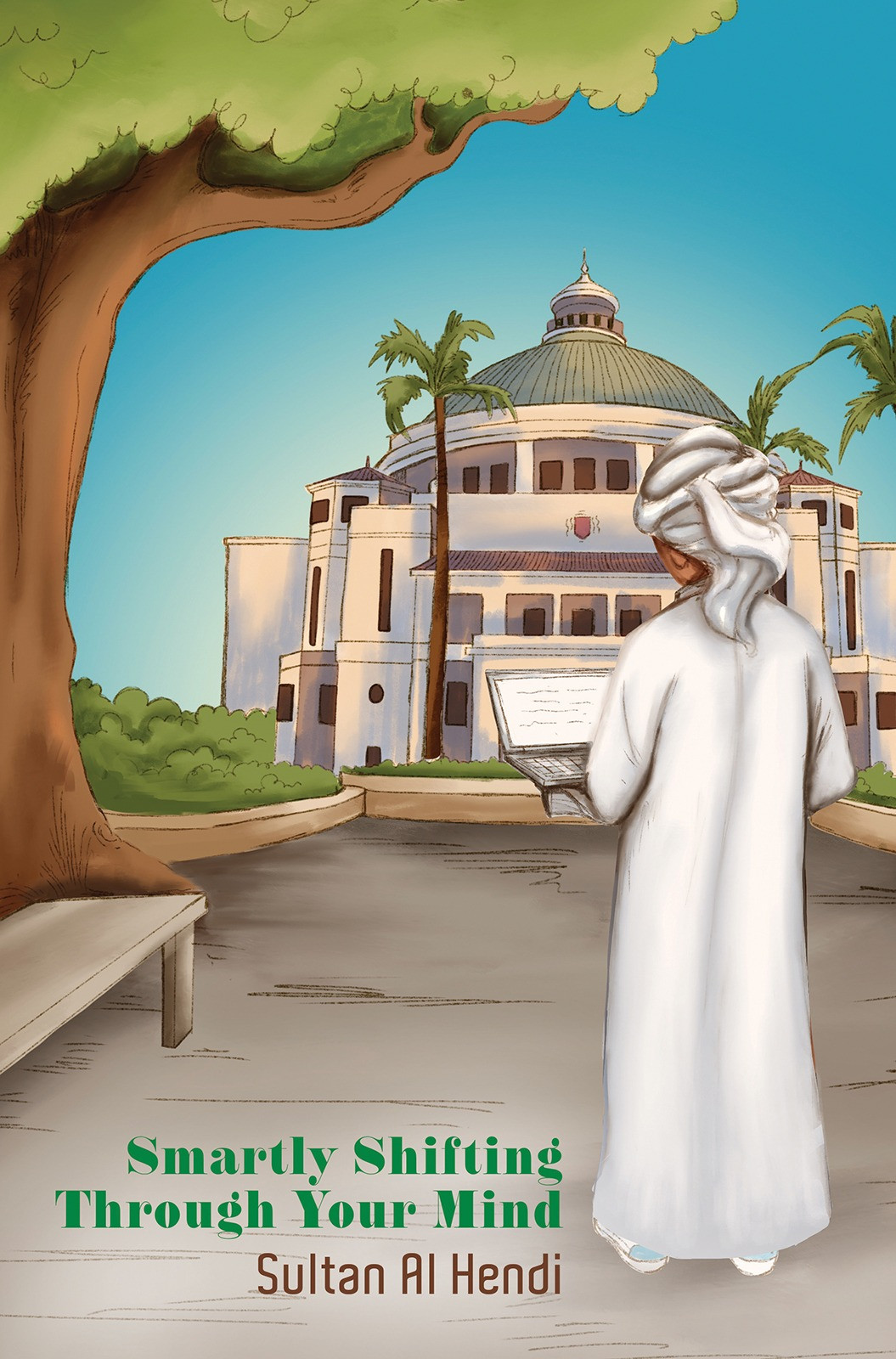
Smartly Shifting Through Your Mind
What if the biggest limits in your life were the ones you placed on yourself? In this inspiring guide, Sultan Al Hendi discusses practical lessons, real-life stories, and empowering strategies to help students break free from doubt, redefine success, and achieve greatness without sacrificing fun and balance.From transforming failure into motivation to realizing that “impossible” is just another word for “not yet done,” this book is a step forward toward academic success, personal growth, and living with meaning.Whether you’re aiming for top grades, preparing for the future, or simply trying to find motivation in tough times, this book will remind you that you are capable of more than you think.It’s not about being perfect; instead, it’s about progress, mindset, and enjoying the journey.Your chance is now. Don’t just set a goal; initiate it.
40.00
-
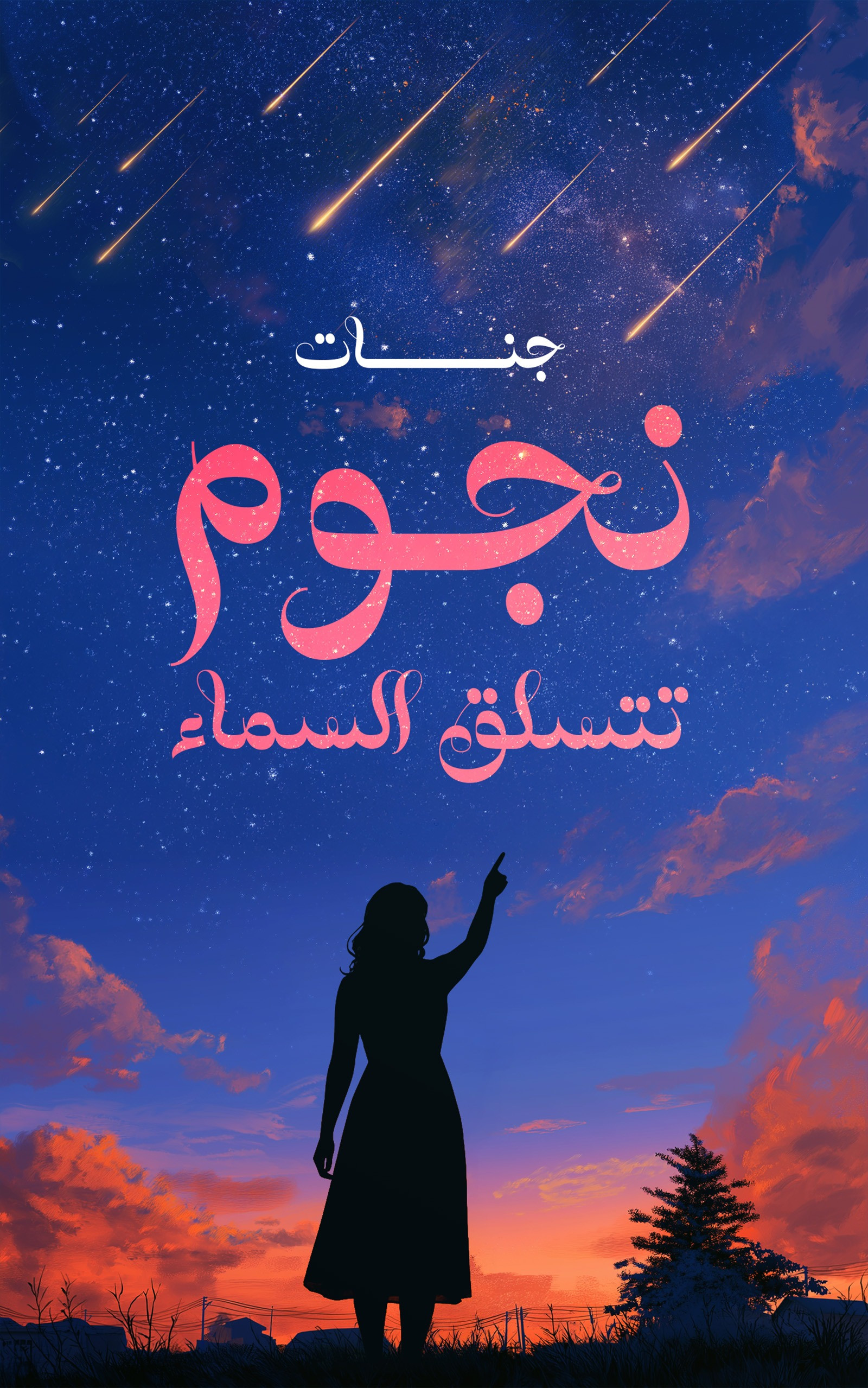
Stars Climbing The Sky
It’s as if she’s you... she resembles you, intersects with you somewhere, sometimes shocking you, sometimes dazzling you.
She’s not just words but a living pulse of feelings that exude the scent of reality, experiences crafted to be a mirror to your soul.
30.00
-

Heartbeats
“Each living creature on this earth is nothing but a heartbeat. And each heartbeat has a purpose. Finding, recognizing, accepting, and implementing that purpose is the key to a wholesome, happy, and memorable life – a life you will enjoy while you breathe and others around you will cherish long after you have stopped.”
30.00
-
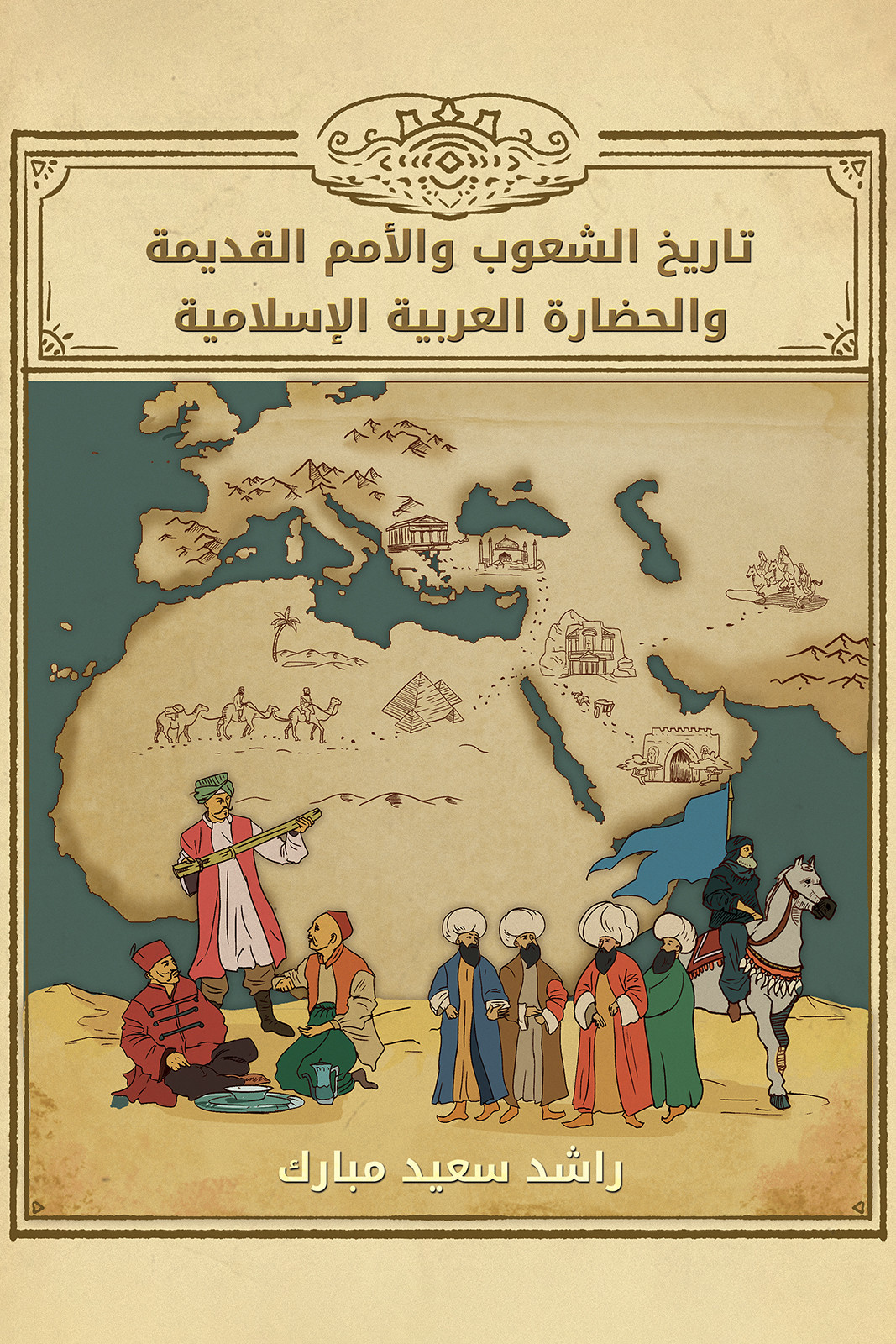
History Of Ancient Peoples, Nations, And The Arab-Islamic Civilization
In this work, we will examine the history of ancient peoples and nations, beginning with the period following the Flood of Noah (peace be upon him). We will then trace the lineage of the ancient peoples and races descended from the three sons of Noah (peace be upon him): Japheth, Shem, and Ham, and their migrations and geographical spread across the continents of the Old World: Europe, Asia, and Africa.
Following this, we will explore the history of the Arabs before Islam, from their earliest ancient times, particularly from the period following the Flood of Noah (peace be upon him). We will discuss the most important ancient Arab emirates, kingdoms, and civilizations, both northern and southern, located geographically in the far north and south of the Arabian Peninsula, up to the pre-Islamic era in Mecca, in the western Arabian Peninsula, known as the “Age of Ignorance.”
In this work, we have also addressed the history of Arab-Islamic civilization, beginning with the Prophetic era, passing through the Rashidun Caliphate, then the Umayyad Caliphate, and then the Abbasid era, which Muslim historians have divided into four periods: the first, second, third, and fourth Abbasid periods, up to the fall of Baghdad, the capital of the Abbasid Caliphate, at the hands of the Mongol invasion and occupation in 1258 CE. Following this, we recounted the Mamluk era, concluding with the Ottoman era.
We pray to God Almighty that we have been successful in our presentation of these successive historical events. And God Almighty is the One who guides to the right path.
45.00
-
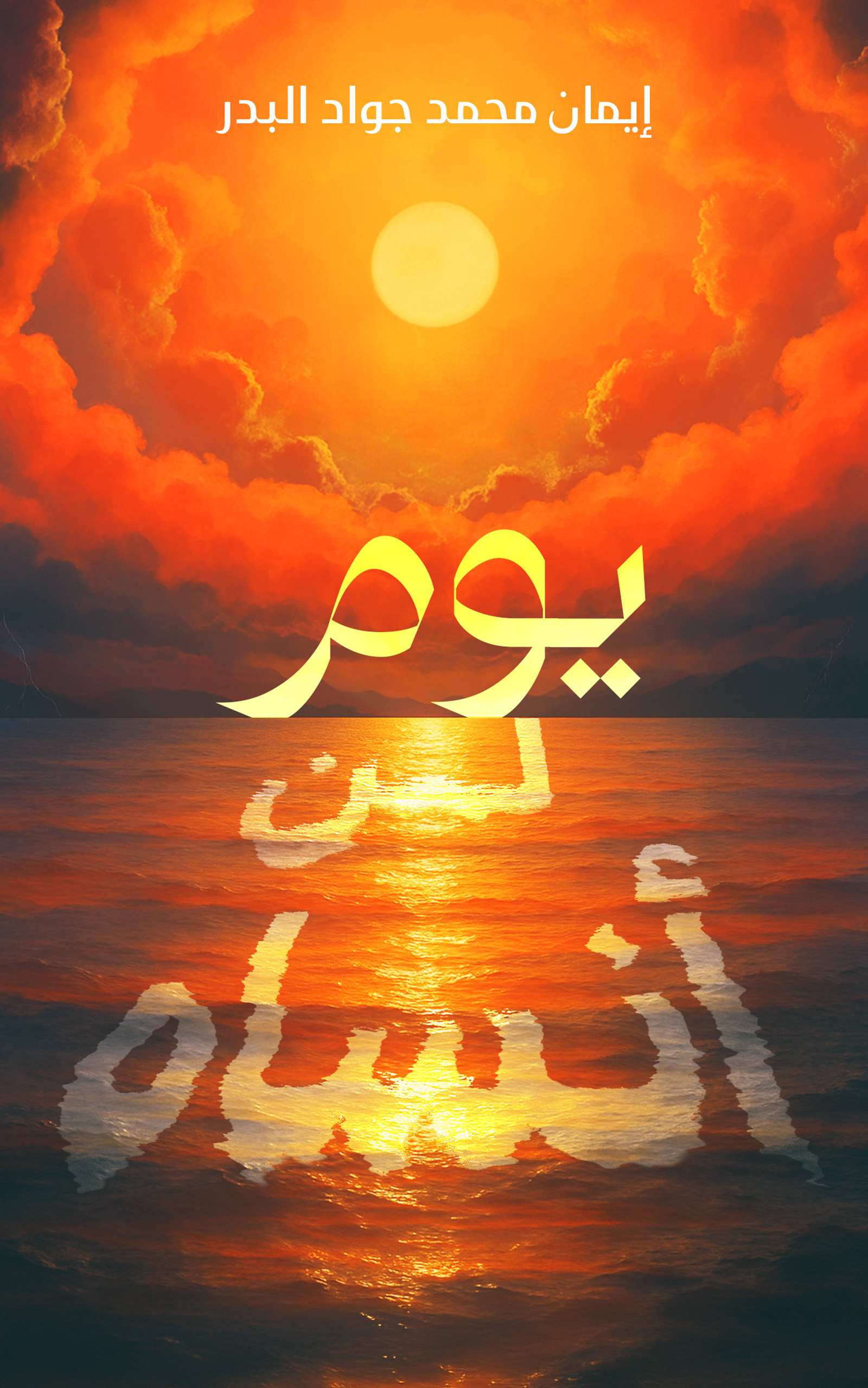
A Day I Will Never Forget
Life’s days are different stations, changing without warning or preamble.
In everyone’s life, there’s a particular day they can’t forget. It might hold a painful memory, or it might be a joyous one that revives the heart. In either case, it contains a special event that can never be forgotten.
Accumulations upon accumulations. Your actions stir up sorrow and ignite emotions, and what makes matters worse is that you consider yourself innocent and oblivious to the foolishness of your actions.
Sometimes I suppress my feelings, sometimes I erupt in anger, and you remain unchanged, indifferent to my emotions, engaging in the same absurdities. You say you love me, but love has no connection to you except in words.
45.00
Non-Fiction Books and Memoirs
 Discover
We use cookies on this site to enhance your user experience and for marketing purposes.
By clicking any link on this page you are giving your consent for us to set cookies