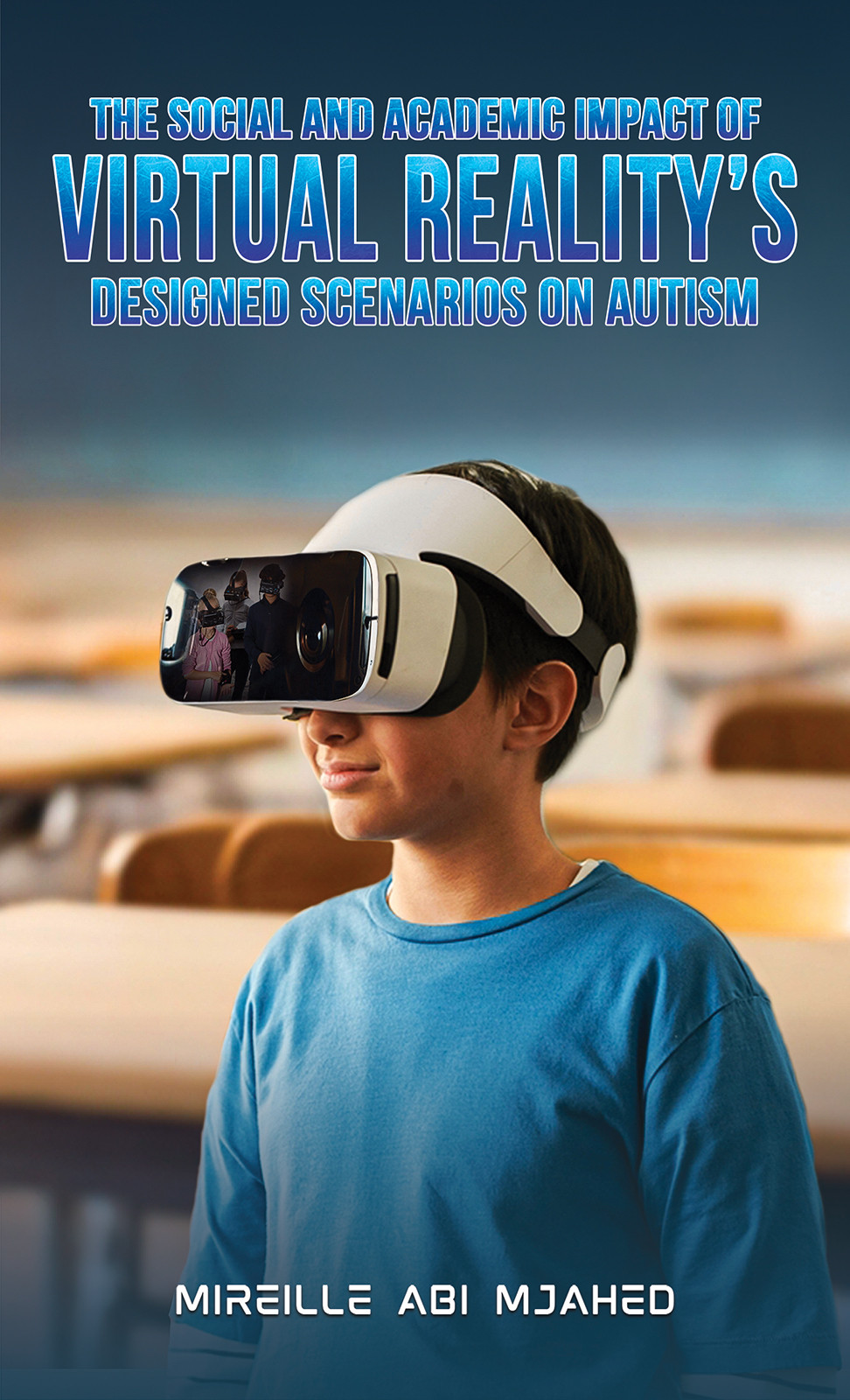
This research study is about the social, and academic effects of Virtual Reality (VR) on learners with ASD. Due to social disconnection, it was assumed before that the learners with ASD did not have the ability to connect socially and interact academically. Previously, research studies presented Virtual Reality (VR) as a technological instrument that affects learners’ immersion into an essential simulated environment. The new findings indicate that with VR academic scenarios, students with ASD are entangled and immersed simultaneously into the Virtual Learning Environment (VLE) due to action and reaction that take place in embodying the roles of characters and in experiencing their own perspectives. The research goes further into investigating the immersion of students with ASD in the mainstream education, and their evaluatively fruitful achievement on the same academic scenarios that are used previously in VR learning.This book is essential in showing different ways that have been used to reach highly educational engagement and progressive achievements to overcome challenges and enter a sensory-safe environment to learn from ready-made, unlimited attempts of VR use. For this new study, the data, research and analytical methods are qualitative.














 Discover